

 Explore to inspire, a PONANT podcast
 PONANT's cruises
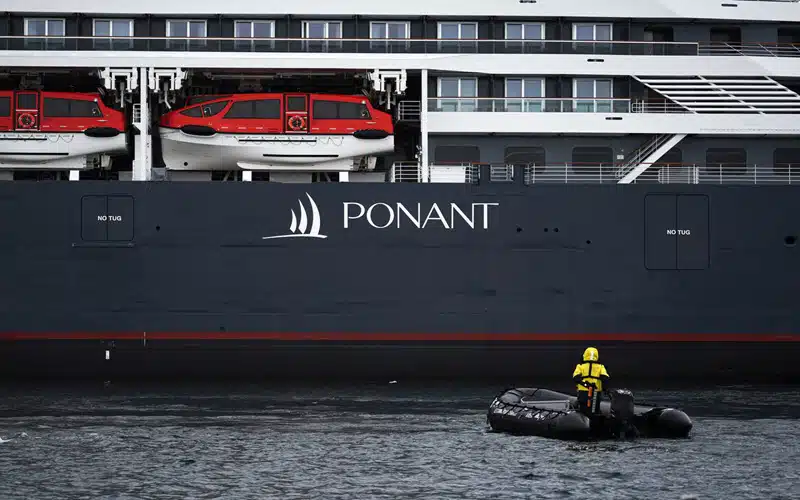
(Photo Credit: ©PONANT / Morganne Monneret)
What does it really mean to explore responsibly?
For PONANT EXPLORATIONS, the answer goes beyond the destinations on an itinerary. It involves the decisions made behind the scenes, the relationships built with local communities, and the ongoing effort to reduce the environmental impact of every voyage. Whether navigating polar waters, discovering remote islands, or sailing through the Mediterranean, responsible exploration begins long before a ship reaches its next port of call. As PONANT EXPLORATIONS 2025 Sustainability Report demonstrates, even the smallest changes can contribute to meaningful progress.

(Photo Credit: ©PONANT / Violette Vauchelle).
A Different Way to Think About Exploration
The opportunity to discover some of the world’s most remarkable places comes with a responsibility to consider how those places are visited. PONANT EXPLORATIONS has built its sustainability approach around three priorities: protecting nature and human health, improving well-being at work, and taking collective action through meaningful partnerships. These commitments influence operations both on board and ashore, from efforts to decarbonize the fleet and support scientific research to improving how waste is managed in the destinations its ships visit. Rather than treating sustainability as a single initiative, PONANT approaches it as an ongoing process of learning, measuring, and improving.

(Photo Credit: ©PONANT / Vu Theara Kham)
Small Changes, Measurable Progress
Consider something travelers rarely see: what happens to waste after it leaves a ship. Managing waste at sea presents unique challenges. Ships travel between destinations with different recycling facilities, local infrastructure, and waste treatment capabilities. A material that can be recycled in one port may have very different options in another. PONANT has been working to address these challenges through a structured waste management program introduced in 2019, with results offer an encouraging picture of progress.
According to PONANT’s 2025 Sustainability Report:
– 100% of waste is now sorted on board.
– 49% waste recovery rate across the fleet in 2025, compared with 13% in 2023.
– Nearly 24 metric tons of single-use plastic were eliminated in 2025.
These figures reflect a broader effort to reduce waste at its source, improve recycling practices, and work more closely with the organizations responsible for processing materials once they reach land. With a target of 50% waste recovery in 2026, the focus remains on continued improvement.

(Photo Credit: ©PONANT / Violette Vauchelle)
Why What Happens Ashore Matters Just as Much
One of the most interesting findings from PONANT’s sustainability work is that sorting waste on board is only part of the equation. What happens next can make all the difference. In partnership with Bureau Veritas, PONANT has conducted detailed assessments of waste management practices in key ports, examining everything from unloading procedures to the facilities responsible for recycling and treatment. The initiative focuses on understanding how local systems actually operate rather than simply relying on established procedures.
Among the locations assessed are Papeete, Athens, Venice, Nice, and Longyearbyen, each presenting different infrastructure and operational considerations. By working directly with local stakeholders, PONANT can identify opportunities to improve the entire waste management process, helping ensure that efforts made on board translate into meaningful outcomes on land.

(Photo Credit: ©PONANT / Guillaume Robin)
A Success Story in French Polynesia
French Polynesia offers a particularly compelling example of what collaboration can accomplish. Papeete is an important port for the m/s Paul Gauguin, which calls there more than 50 times each year. Despite waste being carefully sorted on board, an assessment revealed that materials were being mixed after unloading and ultimately sent to landfill. Recognizing the problem, PONANT worked with local stakeholders across the waste management chain to improve how materials were handled and processed.
The transformation was significant: the waste recovery rate for waste unloaded in Papeete increased from 0% in 2024 to 60% in 2025. It is a reminder that responsible exploration is not limited to what happens at sea. Lasting progress often depends on relationships, collaboration, and a shared commitment to improving practices in the destinations ships visit.

(Photo Credit: ©PONANT / Dani Ernst)
Progress Is a Journey
Responsible exploration doesn’t have a final destination. PONANT’s approach continues to evolve through ongoing assessments, new partnerships, and operational improvements. Looking ahead, priorities include strengthening crew training, improving monitoring tools, testing new onboard equipment, and developing solutions tailored to individual ports. The ambition is straightforward: to keep finding better ways to explore while taking meaningful steps to reduce the impact of doing so.
Because discovering the world’s extraordinary places is only part of the story. How we care for them along the way matters just as much.
Discover more about PONANT EXPLORATIONS’ sustainability commitments in the 2025 Sustainability Report.

Sustainability is Responsible Exploration
Embark on unforgettable expeditions and explorations where you are part of the sustainability effort.