

 Explore to inspire, a PONANT podcast
 PONANT's cruises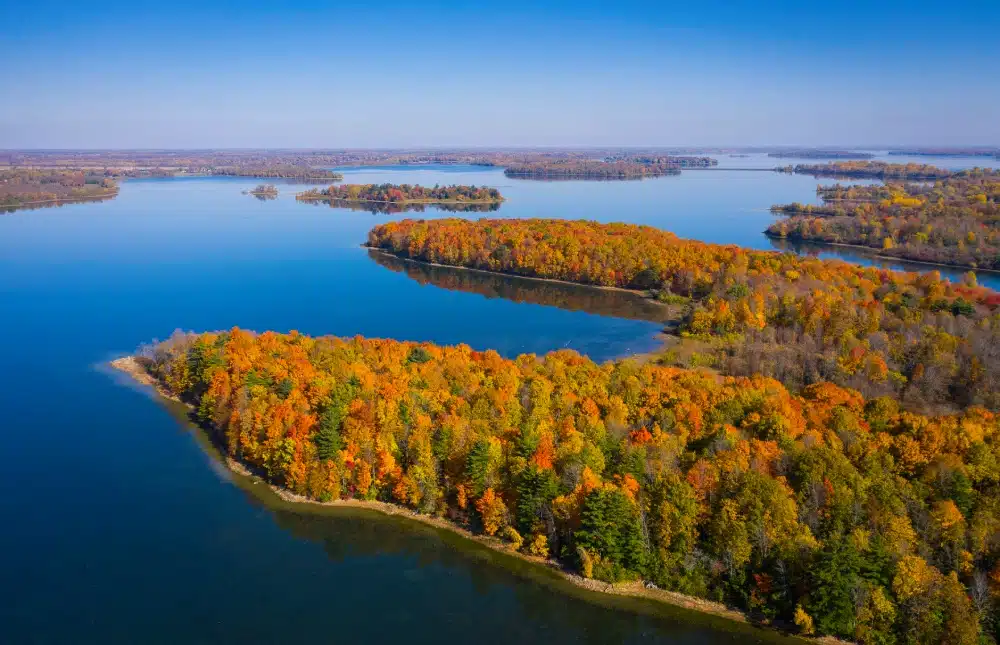
An adventure for every season
An iceberg off the coast of Newfoundland, whales in the St. Lawrence Estuary, the mysterious yet luminous Canadian Arctic. One country, many different rhythms. In Canada, each region sets its own pace, and each season has its own character. Ultimately, the question is not so much when to go, but rather what kind of experience the visitor is seeking.
When is the best time to visit Canada?
From June to October, the country is a world away from its harsh winters. A large window, certainly, but one which encompasses key variations, depending on the choice of experience.
| Experience | Best period |
|---|---|
| Enjoying an Indian summer | September and October |
| Whale-watching | June to October |
| Discovering Quebec | June to September |
| Sailing on the St. Lawrence River | September |
| Exploring the Canadian Arctic | July to September |
| Experiencing a Canadian winter | February and March |
Canada through the seasons
One land, four seasons, four cycles during which Canada’s landscapes transform and reinvent themselves…
The first breath of spring
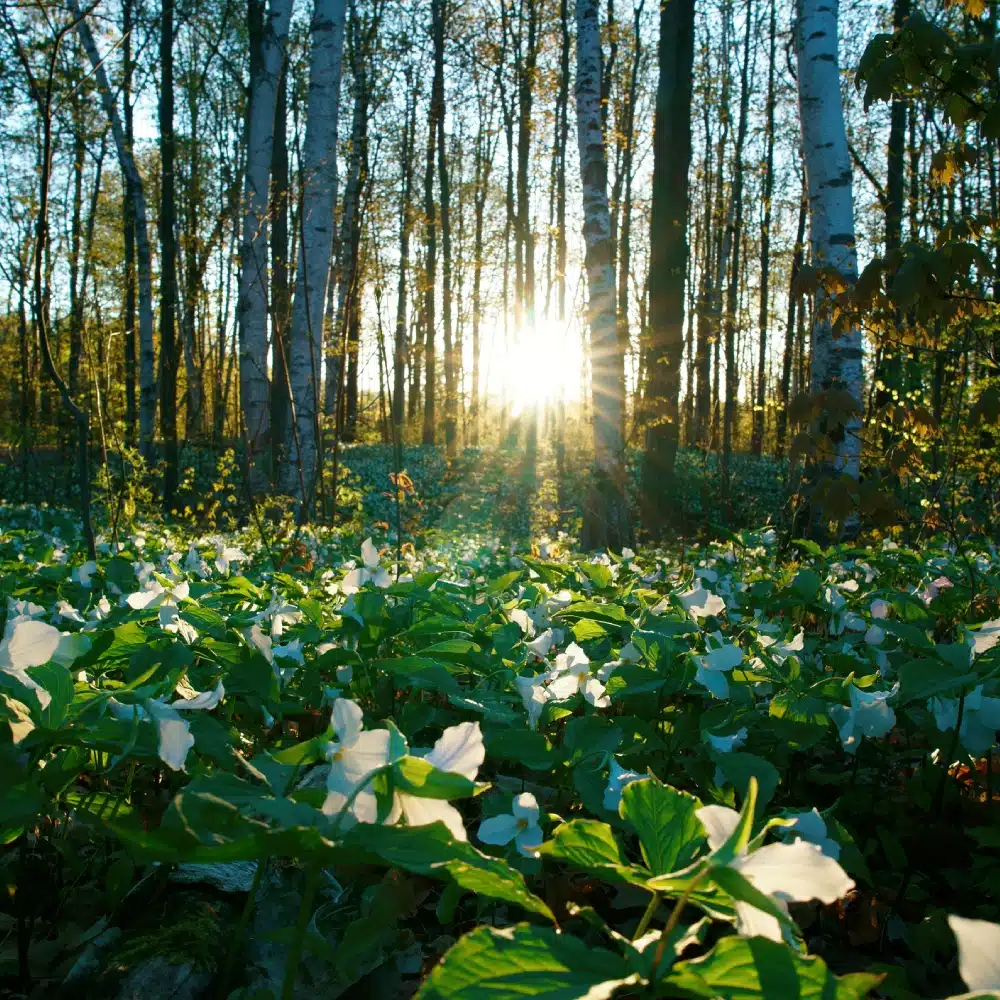
Beneath the remaining snow cover, the forests slowly come to life. It’s ‘sugaring-off season’, when people gather in the wooden huts nestled in the heart of the maple groves for the traditional maple syrup harvest, and enjoy convivial meals and music – a custom that has been deeply rooted in Quebec’s identity for generations.
In spring, the wildlife also begins to reclaim its territory. As the rivers break free from their ice, the first migratory birds return to the banks of the St. Lawrence. A welcome stopover for snow geese, in particular, which gather there in their hundreds of thousands before continuing their journey northwards towards the Arctic. This is a special time of year to explore the country, when it is bathed in soft light, far from the hustle and bustle of the city.

In summer, the open sea calls…
The days stretch out endlessly under the sun of the Far North. This is the perfect time of year to explore the coastline of the Atlantic provinces or sail along the St. Lawrence River. The waters of the estuary are full of whales swimming upriver to feed. The nutrient-rich and highly oxygenated cold currents here create an exceptionally dense ecosystem.
On land, Montreal and Quebec come alive to the rhythm of markets and festivals. The terraces fill up, energised by a renewed atmosphere of conviviality. This is the perfect time to explore the national parks and fjords, where the boreal forest gives way to the power of the coastal climate. A bountiful, vibrant and lively season for anyone wishing to combine wild nature with the buzz of the city.
Autumn, a season of red and gold…
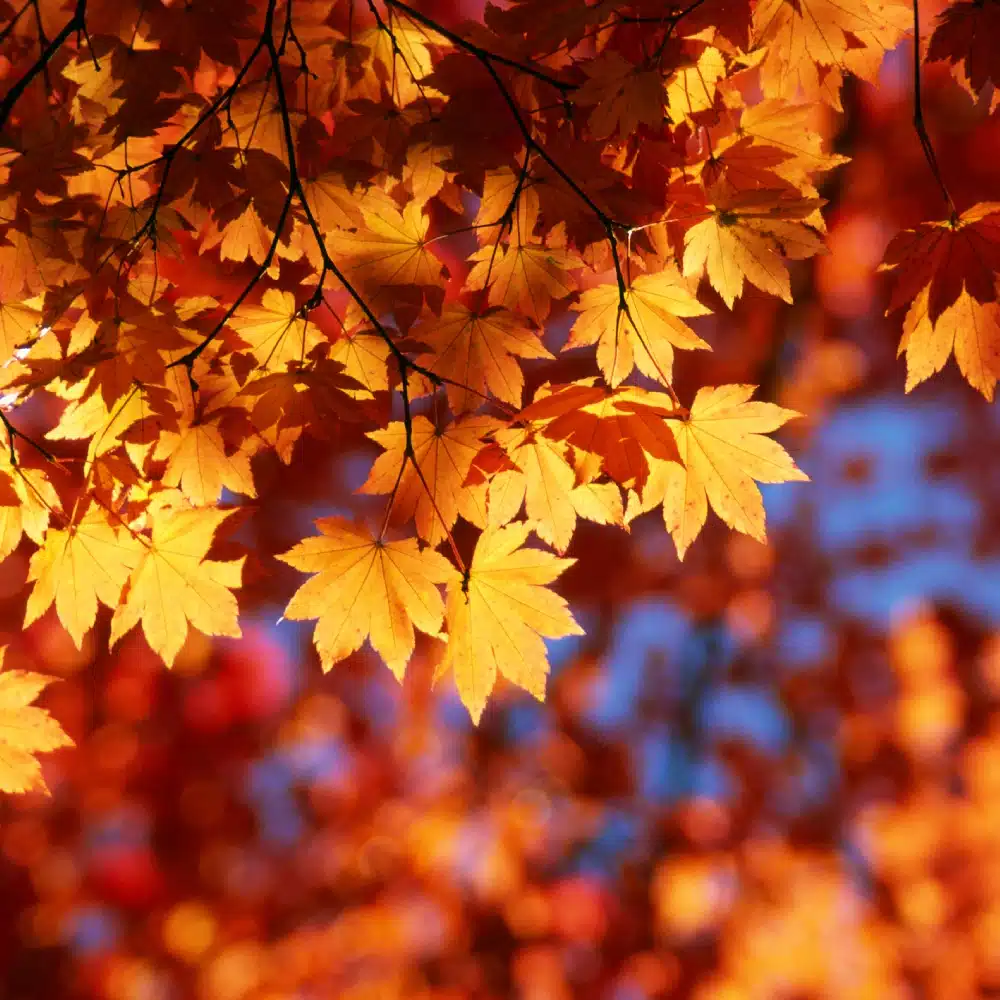
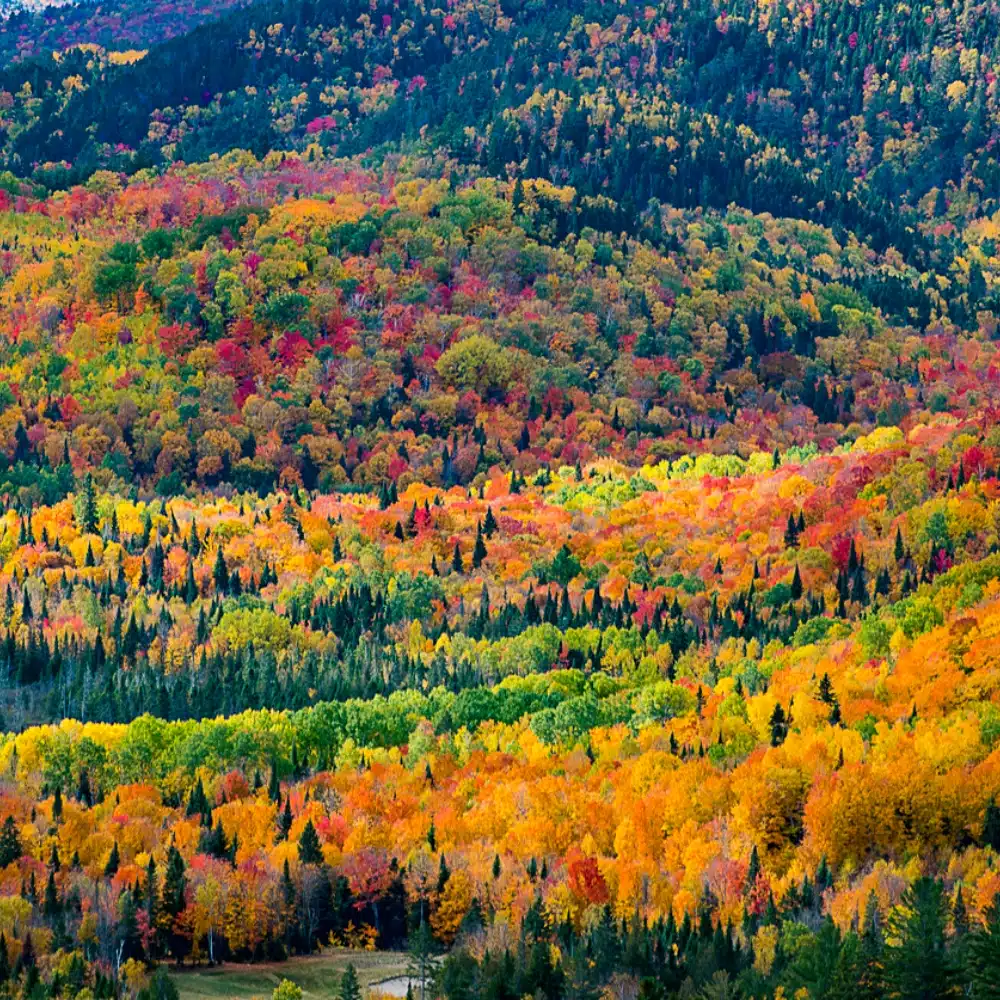
In September, the landscape is transformed: the maple trees turn shades of purple and vermilion, whilst birches and poplars light up the valleys with their bright yellow light. The Saguenay Fjord is bathed in coppery hues that contrast sharply with the deep blue waters of the St. Lawrence River.
The air is filled with the scent of woodland undergrowth and damp moss. In the sky, brant geese announce their departure southwards with a powerful, melancholic cry. A tender light caresses the plains in this season of transition, when time seems to stand still before the earth succumbs to slumber under its white blanket.
Winter, the silence of the North…
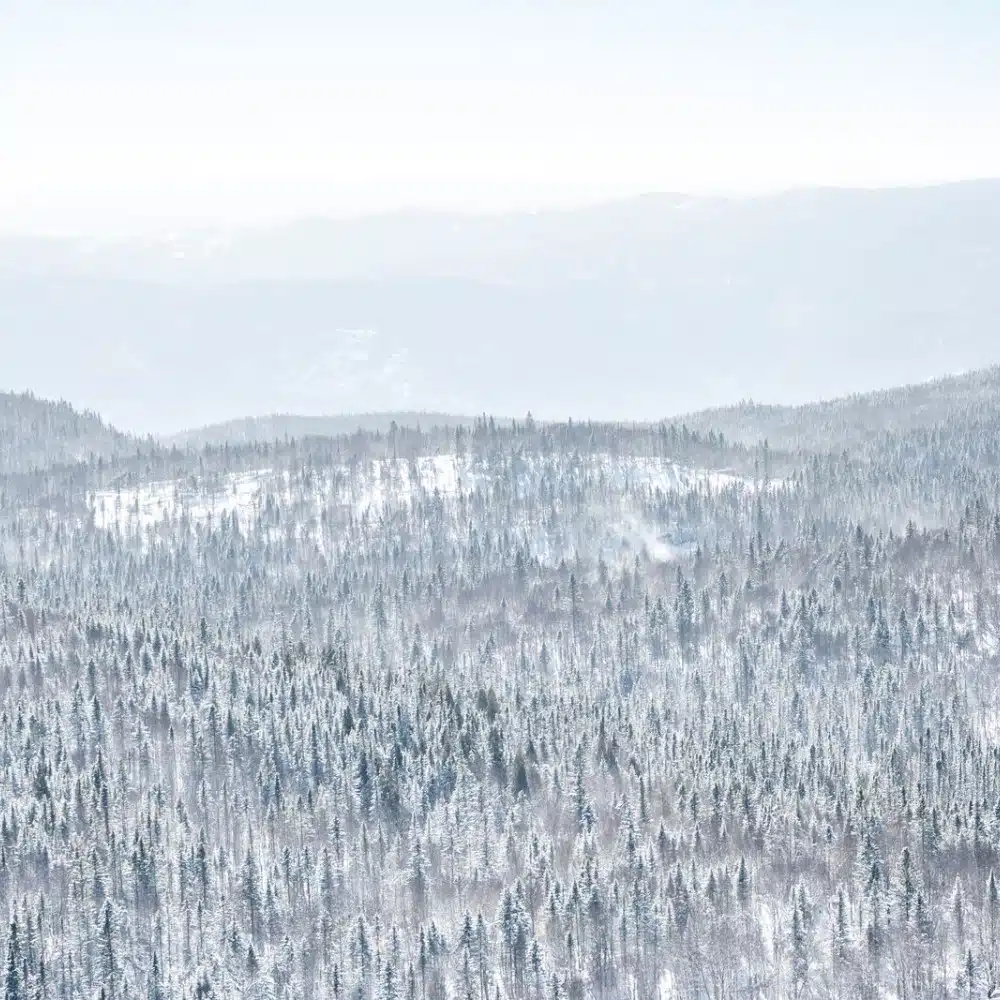
‘Mon pays, ce n’est pas un pays, c’est l’hiver,’ (‘My country isn’t a country, it’s winter’), sang the Quebecois poet and singer-songwriter Gilles Vigneault in his song Mon pays. The snow redraws every landscape, the river freezes over and silence descends upon the boreal lands, whilst frost drapes the trees in heavy ermine cloaks.
This is the realm of ‘poudrerie’ – the fine sparkling snow dust stirred up by the wind, which blurs contours and veils the horizon in pure white. Whether by snowshoeing, dog sledding, fat biking or ice fishing, winter activities invite the visitor to embrace the elements. Amidst this northern silence, the Canadian winter is an intense experience governed by the rhythm of a natural world that dictates its own laws.
The traveller’s calendar
To help you narrow down your departure dates to best suit your preferences, here are a few practical pointers.
| Period | Why go? | What kind of trip? |
|---|---|---|
| December to February | Peace and quiet, snow-covered landscapes | Winter sports |
| March to May | Nature’s reawakening, low visitor numbers | Walks in the great outdoors |
| June to August | Long days, active wildlife | Whale-watching, bustling cities |
| September to November | Indian summer, colourful forests | Sailing on the Great Lakes and the St. Lawrence River |
Which period should you choose, depending on your preferences?
The real starting point for a stay in Canada is not so much a date as a deep-seated desire: the one that describes the Canada each person dreams of discovering.
Admiring the colours of an Indian summer…

From mid-September to mid-October, the forests of Quebec and the Great Lakes become a riot of intense colour, displaying a dazzling array of reds, golds and purples. The landscapes unfold before your eyes, like fantastical murals in which nature displays its most sumptuous excesses.
Whether taking a in the forest, a seaplane flight or a canoe trip on a still lake, each vantage point reveals a different colour palette, enveloped in the soft light and mild temperatures of autumn. And as the day draws to a close and the shores glow with fiery hues, the experience takes on an almost mystical quality.
Whale-watching…

From June to October, the St. Lawrence Estuary is home to up to thirteen species of cetaceans! Off the coast of the village of Tadoussac, where the cold waters of the Saguenay Fjord meet the estuary, krill and small fish gather in large numbers. This exceptional natural larder explains why whales – blue whales and belugas – return here year after year to feed, in the heart of a uniquely rich ecosystem.
Silence is de rigeur to watch this moving spectacle, as you keep an eye out for the first spout in the distance, before catching sight of a powerful back or a tail emerging from the waves. As well as large cetaceans, the waters are also home to populations of seals with distinctive whiskers, and a multitude of seabirds, which find an abundant food supply here until well into autumn.
Sailing on the St. Lawrence…

Travelling up the St. Lawrence River in September means journeying through a region shaped by four centuries of history. The villages of the first settlers, forgotten forts and First Nations sacred sites line its banks, bathed in the light of the early autumn. The river, which accounts for a quarter of the world’s freshwater reserves, has long been the country’s only navigable waterway.
The river is also just as suited to spotting seals, seabirds and whales as it is to exploring villages where French, English and Indigenous heritage intermingle in a rich tapestry of cultures rarely found on the continent. Meandering between Charlevoix and the Côte-Nord, its course tells the story of a Quebec whose history was shaped by the water, long before the arrival of roads.
Exploring Canada’s major cities…

Summer remains the liveliest time of year to explore Montreal or Quebec: terraces come to life, and successions of markets and festivals are held as the fine weather continues. In the urban centre of Quebec, you can stroll along the cobblestones of Old Montreal and among the stalls of the Jean-Talon Market. In Quebec City, the Château Frontenac overlooks the historic Petit-Champlain district, bathed in a light that makes the evenings seem to stretch on forever.
Further west, Toronto displays its extravagance on the shores of Lake Ontario. From the top of the iconic CN Tower, the 360° view takes in the full expanse of this ‘global city’ with its rich cultural diversity and fast-paced lifestyle. All this energy offers a stark contrast to the silence and vastness of the Canadian wilderness.
Undertaking an expedition in the Canadian Arctic…

From July to September, the breaking-up of the ice opens up a unique window for navigation to the polar reaches of Nunavut and the legendary Northwest Passage. It is the only time of year when these waters, which are frozen over at other times, become accessible. The Canadian Arctic then reveals its mineral landscape, somewhere between deserts of stone and tundra, where life reclaims its rightful place.
Polar bears, walruses and narwhals share the space at the foot of the cliffs of the High Arctic, whilst millions of seabirds gather there to nest and rear their young. It is also home to the bowhead whale, the oldest creature of these seas. In the wake of this giant, Inuit communities have for centuries maintained an ancestral way of life, in harmony with the sovereign rhythm of nature.
When is the best time to visit the main regions?
Each region of Canada has its own character and its own seasonal patterns, shaped by its geography and ecosystems.
Quebec and Montreal
From June to September, life moves outdoors, in both Montreal and Quebec City, when bustling terraces, food markets and street festivals abound through bright days that stretch into the evening, illuminating the rooftops of Old Quebec.
Beyond these two cities, the region reveals a different side. From September onwards, the Laurentides and the Charlevoix Highlands are ablaze with flamboyant hues, whilst the Cap-Tourmente nature reserve once again welcomes the snow geese on their way southwards in a clamour of flapping wings.
St. Lawrence River
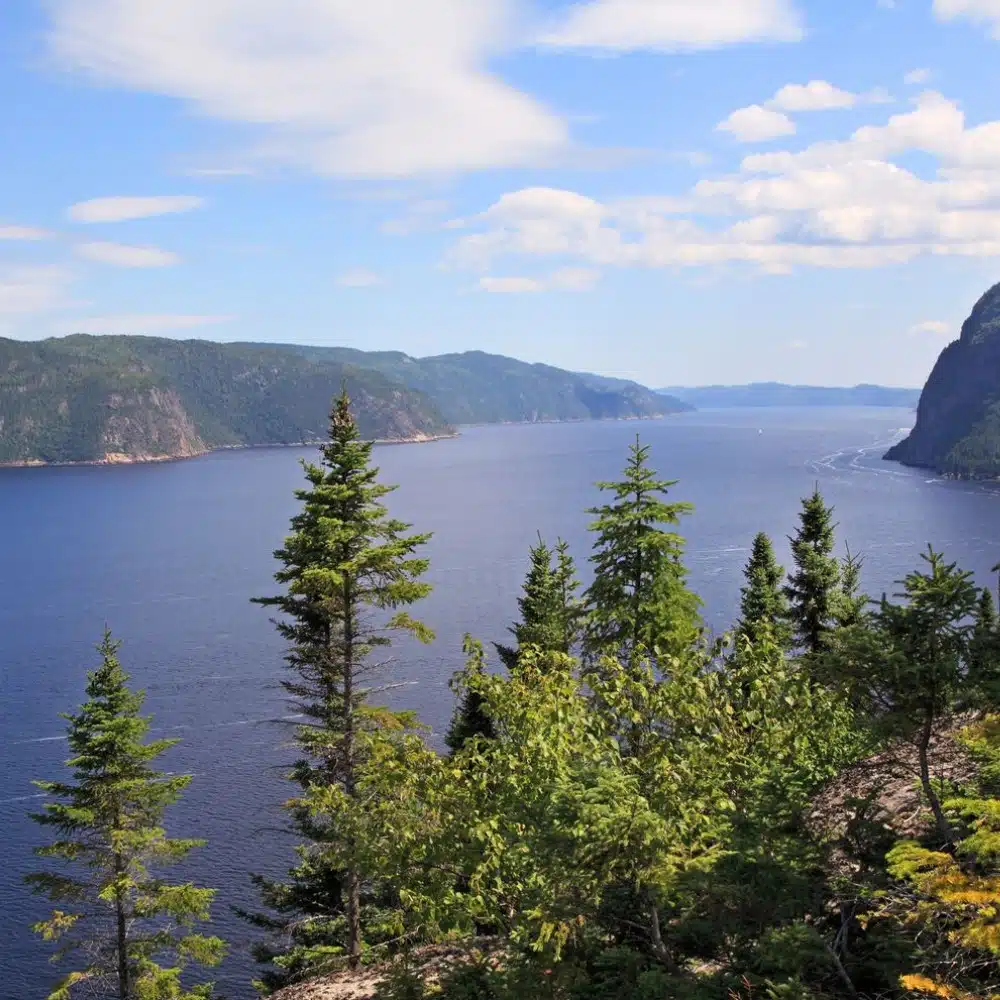
September marks the peak of the season on the St. Lawrence River, when the whales take advantage of its calm waters to complete their journey up the estuary before heading back out to sea. The light, now lower in the sky, cuts sharply across the cliffs and casts long shadows over the river, revealing the contours of the Canadian Shield, the ancient granite bedrock to which the forest clings.
At the tip of Baie-Sainte-Catherine, the Saguenay carves out one of the world’s southernmost fjords: around a hundred kilometres of cliffs plunging to depths of up to 275 metres, where a population of belugas – isolated from the Arctic since time immemorial – lives year-round.
The Atlantic Provinces
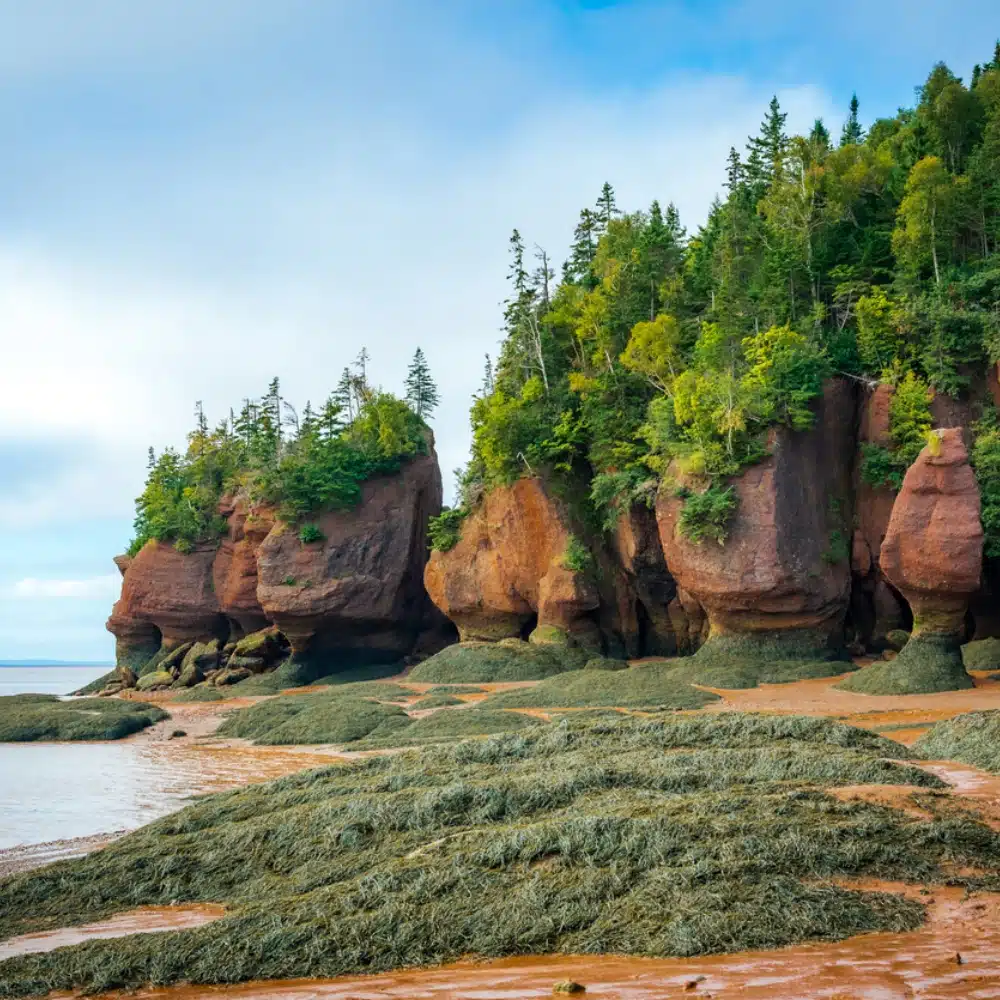
New Brunswick, Nova Scotia and Prince Edward Island enjoy their longest days from June to September. It is also the season when the Bay of Fundy experiences the highest tides in the world, with a difference of up to sixteen metres between low and high tide, exposing time-honoured, sculpted rock formations at Hopewell Rocks.
Further along, fishing villages such as Peggy’s Cove, characterised by colourful houses and solitary lighthouses, punctuate the coastline of Cape Breton. Here, Acadian culture – a legacy of the first French settlers who arrived in the 17th century – remains very much alive, evident in their language, their tricolour flag bearing a star, their local festivals and cuisine, far from the well-trodden tourist trails.
Newfoundland and Labrador
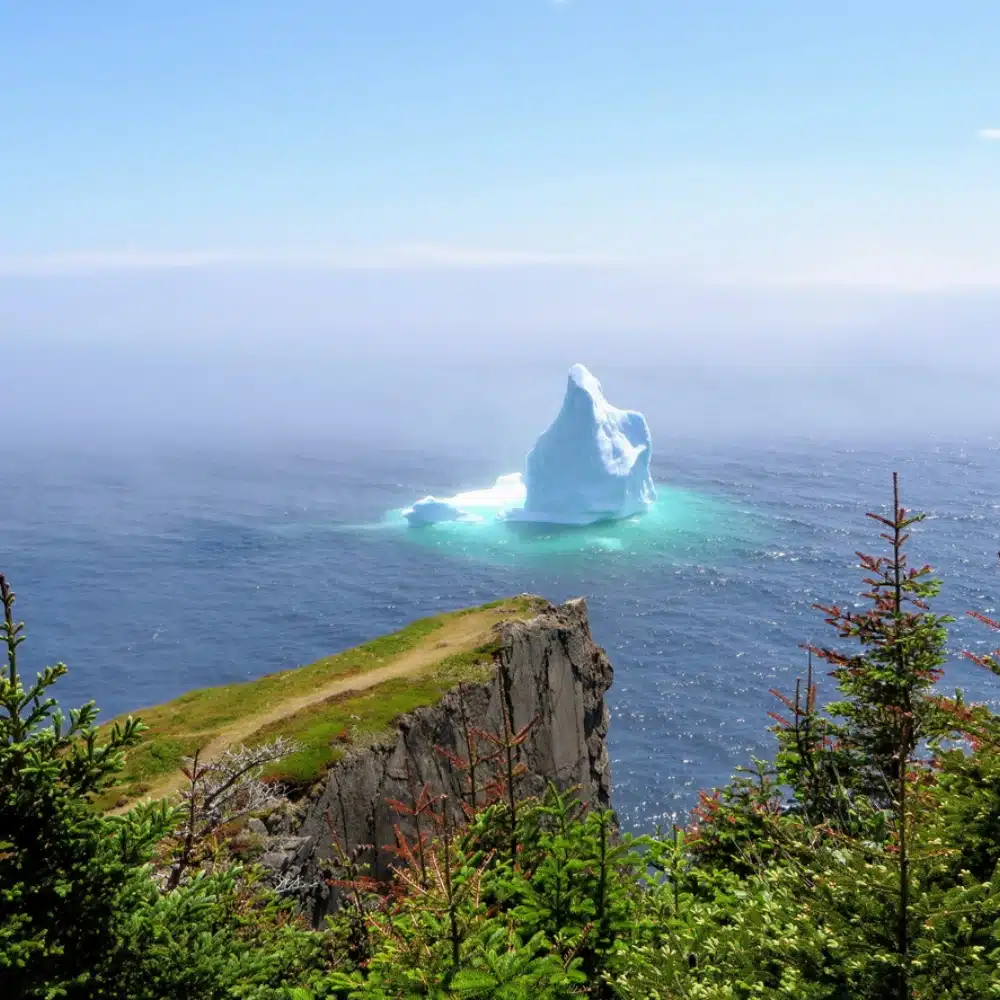
Set apart from the Maritime Provinces, Newfoundland and Labrador province is a world of its own. From April to July, icebergs thousands of years old that have broken away from the Greenland ice sheets drift along this coastline. Known as ‘Iceberg Alley’, this is the southernmost point in the northern hemisphere where they can still be seen every spring. One of them is infamous for causing the sinking of the Titanic in 1912.
From June to August, the Witless Bay reserve, a few kilometres from St. John’s, on the Avalon Peninsula, is home to the largest colony of Atlantic puffins in North America. The province is also home to the widest variety of whales in the country, with up to 12,000 humpback whales visiting its coasts between May and September.
The Canadian Arctic
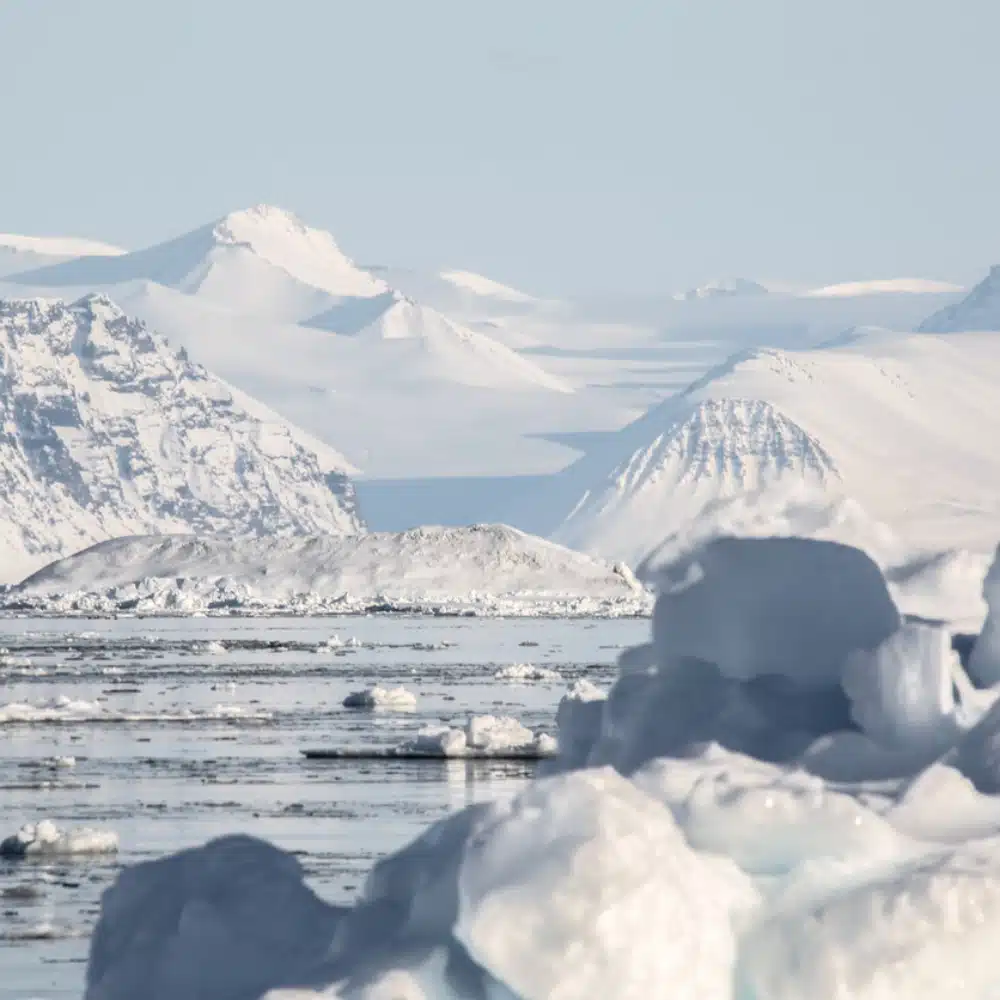
July to September is the only time of year when it is possible to sail to Nunavut, the country’s northernmost territory, and then on to Baffin Island and the rugged fjords of the Auyuittuq National Park – its name meaning ‘the land that never melts’ in Inuktitut.
This is the season for drift ice in the heart of the legendary Northwest Passage. This is perhaps your chance to catch a glimpse of the legendary narwhal, one of the world’s rarest cetaceans. In any case, it is the best time of year to hope to enjoy this little miracle of nature.
Why explore Canada with PONANT EXPLORATIONS
Sail along the St. Lawrence River, discover the Atlantic provinces, set off on an expedition into the heart of the Canadian Arctic… Here, the journey flows with its waters, that all-powerful element that shapes and unites the land, from the Great Lakes to the polar wilderness. Travelling with PONANT EXPLORATIONS means experiencing Canada in exceptional conditions, far from the crowds, at the leisurely pace of small ships and ports of call off the beaten track.
Whether on board or ashore, the expertise of the expedition teams broadens your horizons, allowing you to appreciate every encounter to the full, from wildlife observed at close quarters, to cultural heritage and unspoilt nature. The itineraries are crafted like a thread stretching between the landscapes and the cultures that inhabit them, offering an intimate journey through Canada.
Photos credits: Studio PONANT; iStock

PONANT takes you there
Explore Canada’s most beautiful shorelines