

 Explore to inspire, a PONANT podcast
 PONANT's cruises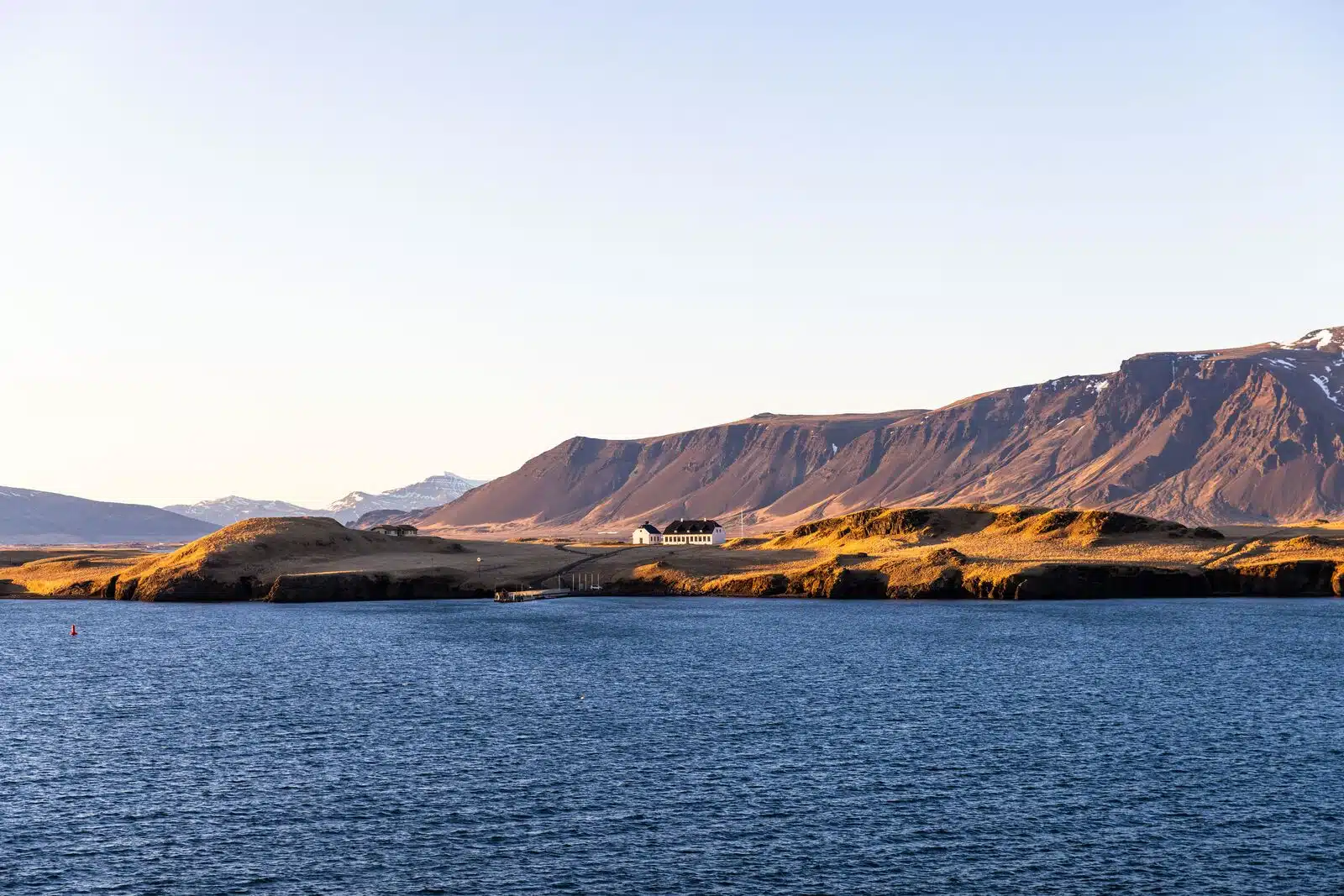
Midnight sun or Arctic night
When is the best time of year to visit Iceland? In summer, the sun shines until midnight, saturating fjords and lava fields with light. In winter, darkness reveals the spectacle of the northern lights and the beauty of the snow. In Iceland, every season offers a unique experience.
Iceland’s climate: between energy and oceanic mildness
At the crossroads of the North Atlantic and the Arctic, Iceland has a cool oceanic climate, sometimes unpredictable but always revealing wonders. In the space of an hour, you can see the wind whip up, rain fall on the fjords and the sun return to illuminate the majestic landscapes.
In the south-west of Iceland, the influence of the Gulf Stream makes the weather milder. Reykjavik and the Reykjanes peninsula are therefore relatively temperate, especially in summer. However, the isolated Westfjords are exposed to winds.
In the north and east, winters are dry and cold. The Eastfjords enjoy bright summers.
To properly prepare for your trip to Iceland, it is worth remembering that, generally speaking, summer (June to August) brings longer days and opens the slopes of the Highlands, while winter (November to March) shortens daylight hours but magnifies the sky.

If you don’t like the weather, wait five minutes.
Icelandic proverb
What are the temperatures like in Iceland?
The range remains moderate at the coast and more pronounced inland.
- Reykjavik: -1°C to +3°C in winter, +5°C to +12°C in summer;
- Akureyri (north): -5 °C to 0 °C in winter, +8 °C to +14 °C in summer;
- Eastfjords: -6 °C to 0 °C in winter, +8 °C to +15 °C in summer;
- Westfjords: -5°C to +2°C in winter, +7°C to +12°C;
- The Highlands are more extreme: -10°C to -20°C in winter, +5°C to +10°C in summer.
Tip: Layer your clothing, as the weather changes quickly in Iceland!
The magic of Iceland’s frozen winter

From November to March, the deep nights are adorned with splendid northern lights. The roads may be snow-covered and the wind brisk, but the reward lies in the polar lights and the tranquillity of the open spaces.
The days get longer from February onwards, making it easier to explore. This is the best time to visit the ice caves at the foot of the great southern glaciers, to learn how to walk on a glacier with a guide, or to enjoy the outdoor geothermal baths. Tasting the mixture of steam and snow is an unforgettable experience!
Iceland’s Westfjords in winter reveal landscapes frozen by ice and magnificent cliffs. Snowshoe outings, the discovery of traditional cuisine (such as hákarl, made from shark meat, or rúgbrauð, a rye bread baked in the traditional way) and an art of living that celebrates warmth and hospitality in Reykjavik show all that is best about winter in Iceland: demanding but magical.
What always amazes me about Iceland is the diversity of its landscapes, from grassy coastlines with or without cliffs to hot springs, black soil and more inland. It’s incredible to see such a patchwork in such a small area.
Alain Bidard, PONANT EXPLORATIONS naturalist guide
A summer of a thousand colours in Iceland

Summer facilitates connections and explorations, increases the number of stopovers and opens up a range of experiences combining raw nature and inspiring encounters.
From June to early September, the island turns green, the moss blazes, the waterfalls swell and the puffins liven up the cliffs (mainly until mid-August). Then head for the Highlands, where the access roads generally open at the end of June: Landmannalaugar, Laugavegur and Askja reveal multicoloured rhyolites, ash deserts, and craters.
At sea, Iceland becomes a major whale-watching destination in summer: Húsavík, Skjálfandi Bay and Eyjafjörður offer excellent opportunities to encounter humpback whales and minke whales.
The long evenings invite you to hike along volcanic ridges, kayak in sheltered coves, and sail under the midnight sun that gilds the horizon.

In Iceland, what is the best season for:
- Whale watching: peak season from June to August, with opportunities for sightings in Húsavík from May to September;
- Seeing the northern lights: October to March;
- Hiking: June to August;
- Accessing the Highlands: late June to early September;
- Exploring ice caves: November to March;
- Enjoying the midnight sun: late May to mid-July (especially in the north).
Photo credits: ©Studio PONANT/Violette Vauchelle; Doriane Letexier; Ophelie Bleunven; Nathalie Michel

Travel to Iceland in summer or winter with PONANT
Northern lights in the polar night or green excursions through the fjords?