

 Explore to inspire, a PONANT podcast
 PONANT's cruises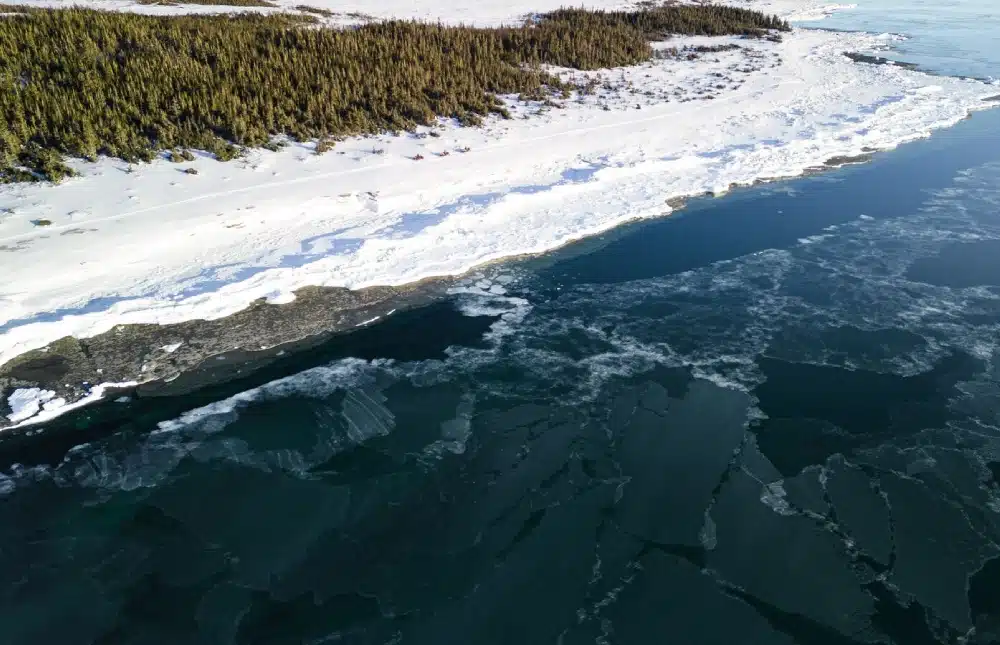
Wildlife, forests and peoples, from season to season
With their abundant wildlife and unique landscapes, the St. Lawrence and its estuary are a geographic marvel and a wonderful destination for adventures in Canada. This wilderness’ panoramas are beautiful whatever the season. Naturalist and guide Benjamin Dy takes us down the “ocean river”.
A wilder life along the St. Lawrence
For 1,197km (745 miles), the St. Lawrence teems with unique creatures, from beluga whales to rorquals, seals and endemic seabirds. This remarkable biodiversity varies with the water’s salinity and levels of vegetation, transforming every meander into an eminently explorable sanctuary for nature.

The Labrador current is the coldest water in the world. It’s oxygen-rich and full of nutrients, which makes it a unique ecosystem for the cetaceans that come to feed on its amazing cocktail of living things.
Benjamin Dy, PONANT EXPLORATIONS naturalist guide
The St. Lawrence estuary’s unique ecosystem and shoals of capelins attract all kinds of seabirds at different stages in their migratory and reproductive cycles. The Quebec and Montreal region is also a stop-off for snow geese, which arrive in their hundreds of thousands in April on their way back to the Arctic after wintering in the southern United States.
Benjamin Dy, PONANT EXPLORATIONS naturalist guide
Landscapes sculpted by ice and currents
Labrador’s temperate climate and cold current carve out the banks of Canada’s St. Lawrence river. “Here, the Arctic tree line is at its most southerly anywhere in the world,” says Benjamin Dy. The tundra and taiga lie side by side, creating a unique combination of boreal and Arctic landscapes.
Beyond a latitude of 50 degrees north, we are entering a world of granite and tundra. This is the edge of the Canadian shield, where the boreal forest starts to bow under the weight of the sub-Arctic climate.
Benjamin Dy, PONANT EXPLORATIONS naturalist guide
The St. Lawrence through Canadian history
From Newfoundland to Montreal, the St. Lawrence reflects the coming together of the different communities that live on its banks. The lands of the Innu, European fish markets and North American modernity have formed a rich architectural and sociological melting pot that reflects life as it has been lived on the river through time.
In this boreal world, for a long time rivers were the only way of getting about. Quebec’s history has been written by the river. When there wasn’t fuel for aeroplanes or road building, everything went via the river.
Benjamin Dy, PONANT EXPLORATIONS naturalist guide

Benjamin Dy
Benjamin Dy is the author of Québec – les Clés pour Bien Voyager (Quebec: An Explorer’s Guide) and a photojournalist and conservation biologist. Having lived in Quebec for 15 years, he is now also a guide specialising in the land-based and marine wildlife of the St. Lawrence.
Photo credits: PONANT/Julien Fabro; Ian Dawson; StudioPONANT/Noemie Watel; Doriane Letexier; andreanita; iStock.

Let PONANT take you there
Explore the beautiful banks of the St. Lawrence river.